Sciences of Phytochemistry
Journal Key Facts
Publishing Fee (APC)
No Charge
Open Access License
CC BY 4.0
Language
English

Publishing Fee (APC)
No Charge
Open Access License
CC BY 4.0
Language
English
Showing 5 Articles

Sanjoy Das, Taison Jamatia
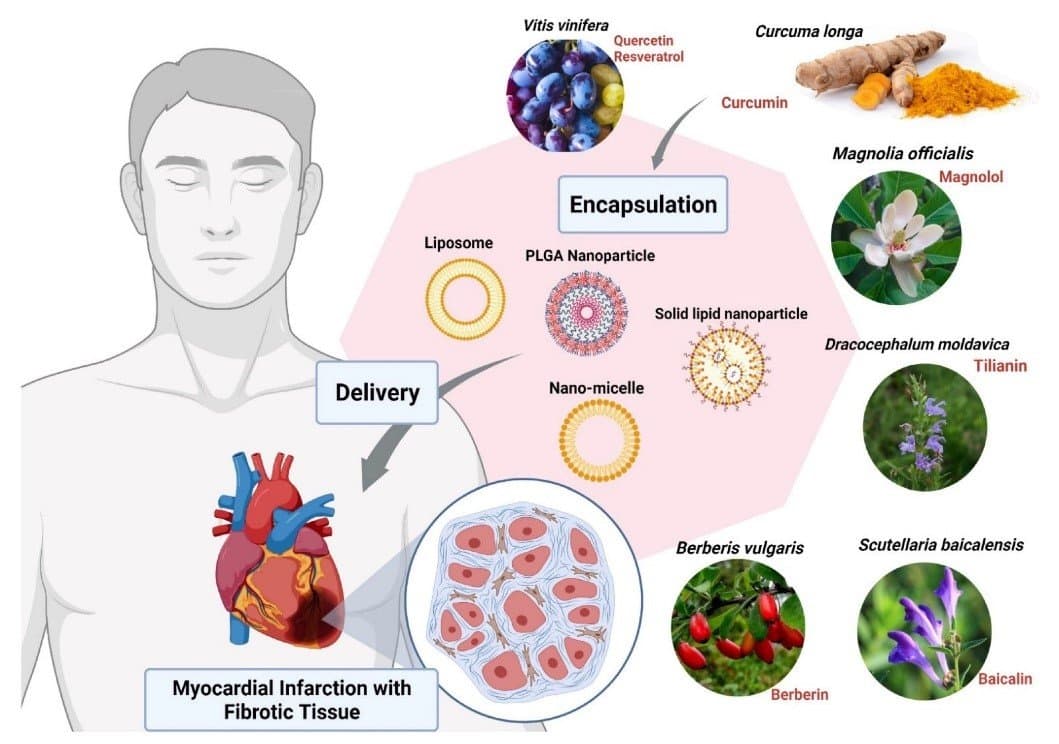
Nanotechnology is on the threshold of providing a host of new materials and approaches in revolutionizing the medical and pharmaceutical fields. The incorporation of nanotechnology in herbal formulation investigation has a huge number of benefits for phytomedicine such as enhancement of solubility and bioavailability, reinforcement of pharmacological activity, improvement of stability, protection from toxicity, sustained delivery, and safeguarding from physical or chemical degradation. This opinion paper briefly highlights the authors perspective on herbal nanotechnology through few key points.
Sciences of Phytochemistry

James H. Zothantluanga, Dipak Chetia
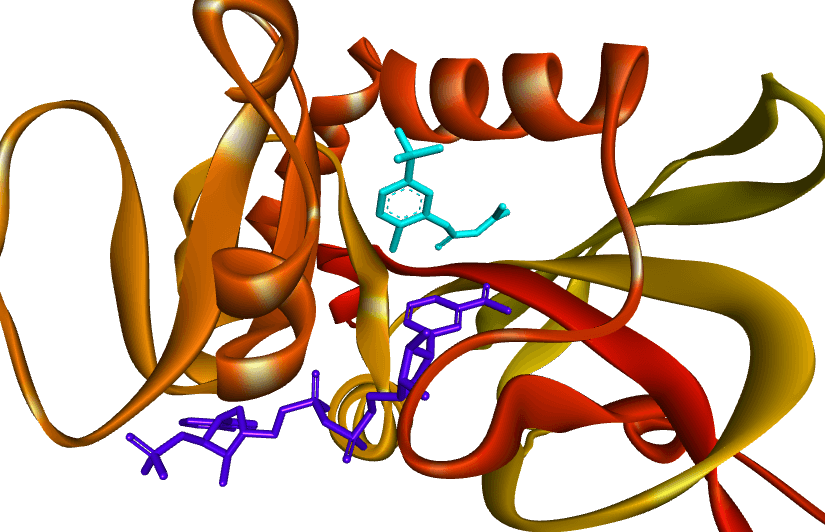
In this opinion, the basics of molecular docking (MD) such as binding affinity, binding pose, and ligand interactions with common docking-related terminologies (Apo protein, positive control, native ligand, co-crystal inhibitors) are discussed. We have provided different figures to aid in the graphical interpretation of the discussed literature. Following this, a few advantages (simplicity, fast, applicability) and disadvantages of MD are highlighted. This opinion will benefit bachelor and master students (or anyone) that are interested in learning the technique of MD. We encourage the sensible use of the MD technique and strict analysis to avoid interpretation errors in the results. The binding affinity, binding pose, and ligand interactions should be collectively considered during the result analysis. For every study, we strongly recommend a strict validation of the docking protocols.
Sciences of Phytochemistry

Chikame Dawa Sangma, Dipak Chetia, Malita Sarma Borthakur, Lima Patowary, Dubom Tayeng
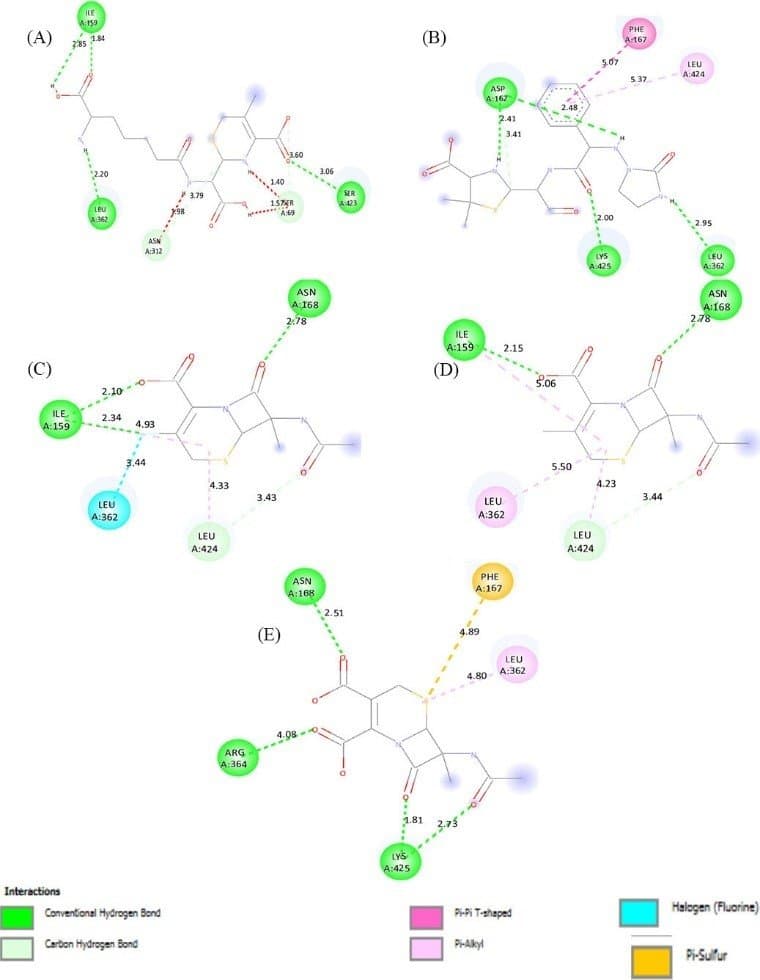
Antibiotics kill bacteria by blocking essential metabolic processes which prevent them from reproducing thereby allowing the immune system to fight bacterial infections. However, the emergence and the quick spread of bacterial resistance against clinically approved antibiotics have become alarming. This necessitates the development of novel treatment options and alternative antimicrobial therapies in the fight against bacterial infections. In this study, we aim to virtually design and carry out in silico studies to identify a cephalosporin derivative with inhibitory potential against Haemophilus influenza. Data Warrior software, Discovery studio software, PyRx tool, Swiss ADME web tool, and ProTox-II web tool were used to screen the cephalosporin derivatives. Initially, 17 cephalosporin derivatives were preliminarily screened for their toxicity followed by in silico ADME studies. Among the cephalosporin derivatives, C1, C6, and C12 were found to be the potential drug-like molecules with binding energies of -7.4 kcal/mol, -7.1 kcal/mol, and -7.1 kcal/mol, respectively. In particular, C1 was predicted to have a moderate biological activity with a high bioavailability score. Based on the ADME profile, toxicity, binding energy, drug-likeness, and drug score, we conclude C1 (‘F’ at the 3rd position) as the potential lead molecule to inhibit H. influenza.
Sciences of Phytochemistry

Jeba Akhtar, Lima Patowary
A versatile plant with many purposes, Bambusa vulgaris is primarily known for its industrial applications, but it is also becoming acknowledged as a possible source of bioactive substances and as a functional food. Every component of the bamboo plant, including the rhizome, culm shavings, leaves, roots, shoots, and seeds, has potential medical uses. This review aims to provide an insight into the traditional uses, and the various pharmacological activities exhibited by B. vulgaris extracts like analgesic, antihyperglycemic, antipyretic, anti-inflammatory, antioxidant, antimicrobial, antiviral, hepatoprotective, anti-amnesic, etc. It also has immense potential to be used as an important functional food as it has a high content of useful proteins, carbohydrates, high fiber content, and very low fat.
Sciences of Phytochemistry

Abhishek Karn, Md. Asad Quasim, El Bethel Lalthavel Hmar, Sujata Paul, Hemanta Kumar Sharma
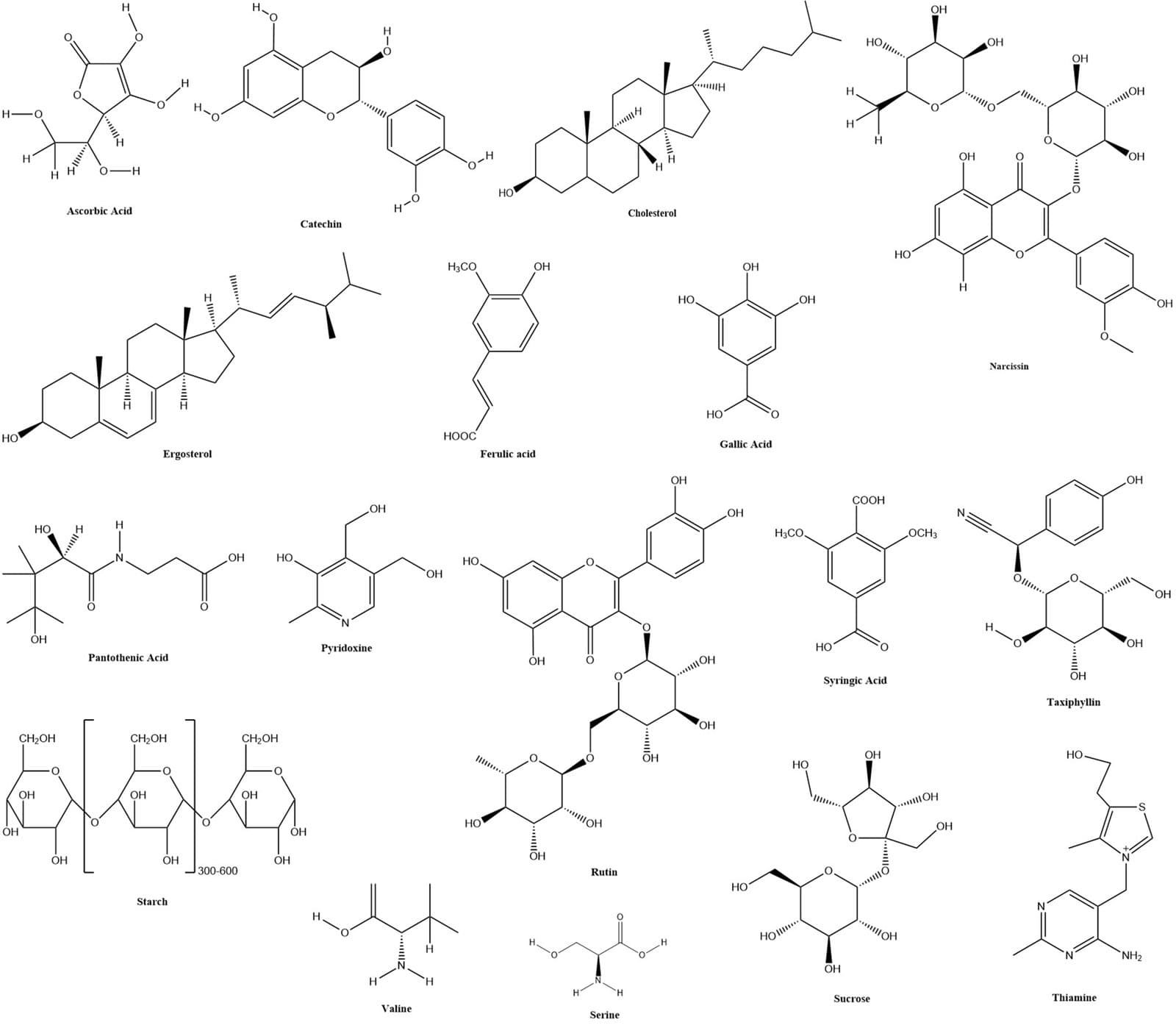
The vast majority of people continue to view medicinal plants as a low-cost source of medications and treatments. Numerous trees, herbs, plants, and shrubs have been used as remedies for various ailments since the dawn of time. Rubus ellipticus Smith, a weedy wild raspberry that flourishes in damp woods at high elevations, particularly those in the Himalayas and the Nilgiris area, is one of the important ethnomedicinal plants in the genus Rubus. Traditional Tibetan medicine places a great deal of importance on the plant R. ellipticus. Because of the abundance and diversity of phenolics and flavonoids in fruits or berries, which have a high concentration of both, they are generally regarded as inherently healthful foods. The roots and leaves, as well as the fruit, have traditionally been used as therapeutic agents for several illnesses including colic pain, gastrointestinal discomfort, wound healing, diarrhea, antifertility, antibacterial, analgesic, epilepsy, and others. The objective of the current review is to concentrate on the pharmacological characteristics, nutrition profile, phytoconstituents, and folkloric therapeutic applications of R. ellipticus, therefore achieving the review's overall subject.
Sciences of Phytochemistry

Sciences of Phytochemistry (Sci. Phytochem.) is an international, peer-reviewed journal published by ETFLIN, dedicated to advancing research in all aspects of phytochemistry and plant-derived bioactive compounds. The journal provides a platform for the dissemination of original research, reviews, and scientific communications that explore the chemistry, biological activities, and applications of natural products derived from plants. We welcome contributions that deepen the understanding of the chemical diversity of plants and their potential in pharmaceuticals, nutraceuticals, agriculture, cosmetics, and environmental sustainability.